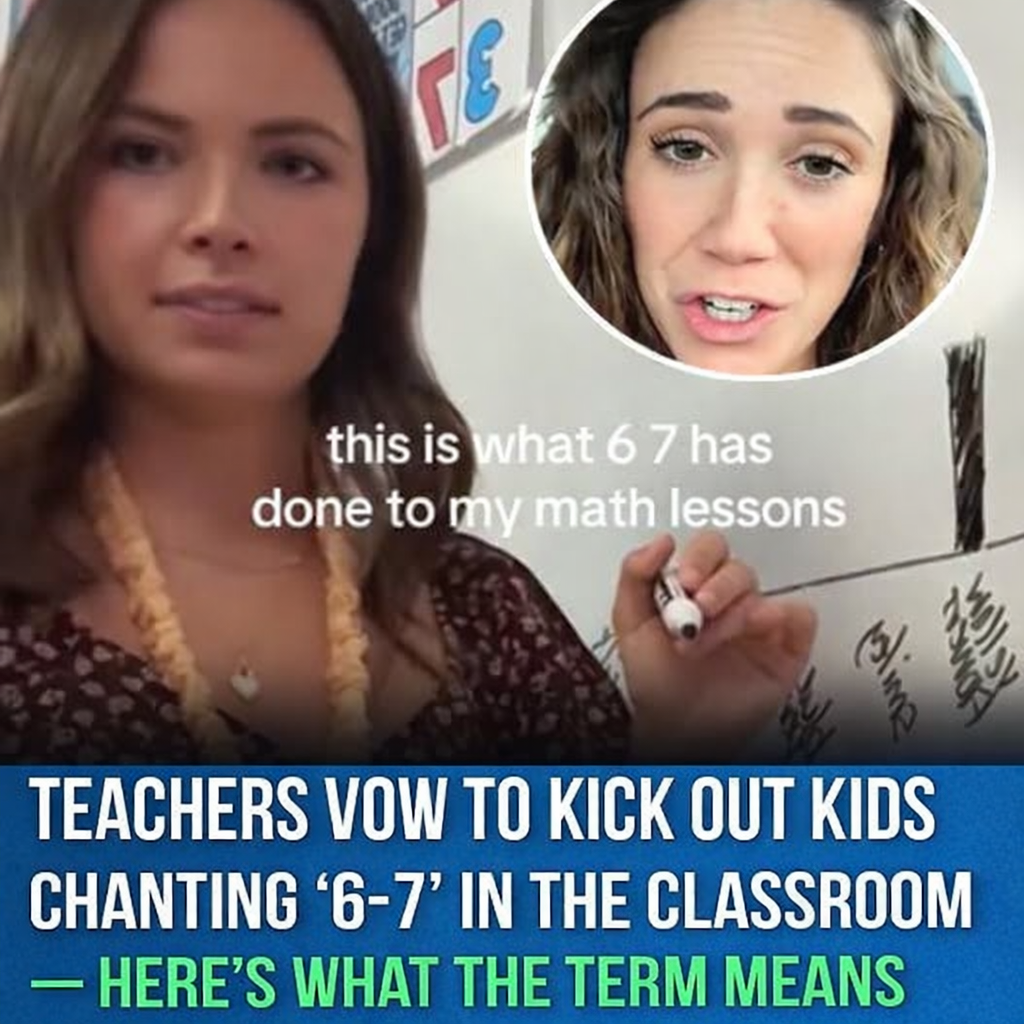
Every generation develops its own sense of humor, shaped by the media and platforms it grows up with. What feels funny to one age group can seem confusing to another. Recently, a phrase that has left many parents, teachers, and older internet users puzzled is “six-seven,” sometimes written as “6-7.” It often appears in short videos or comment sections as a response where a real answer would normally be expected.
The reason it’s confusing is also the reason it’s popular: the phrase has no real meaning. “Six-seven” gained attention after appearing in a song by hip-hop artist Skrilla in late 2024. Social media users, especially on TikTok, quickly began repeating it, turning it into a running joke. Within weeks, it showed up in countless videos, used to react to everyday situations, awkward moments, or simple questions.
Its appeal lies in randomness. Saying “six-seven” doesn’t explain or clarify anything, and that unpredictability is exactly what makes it funny to younger audiences. Trend watchers note that it functions more like a meme than a phrase with meaning. It’s often paired with exaggerated expressions, gestures, or comedic timing to enhance the joke.
Some teachers have shared amused frustrations as the trend makes its way into classrooms, where students repeat it during lessons or group work. While distracting at times, many educators see it as part of a broader pattern of students bringing online culture into real life to connect with peers. Ultimately, “six-seven” is a reminder of how fast digital culture evolves. There’s no hidden definition to uncover—it’s meant to be enjoyed in the moment, then eventually replaced by the next viral trend.