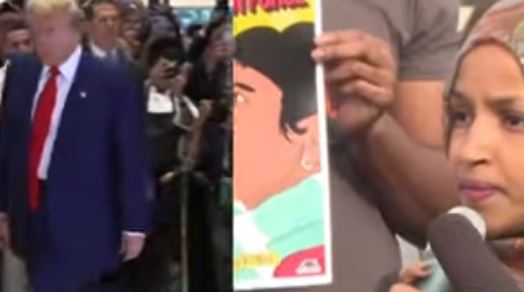
The political spotlight has once again turned heated following remarks by Rep. Ilhan Omar (D–MN) about late conservative activist Charlie Kirk. Speaking in an interview with the progressive outlet Zeteo, Omar suggested that public discussion surrounding Kirk’s death had become overly sanitized, arguing that some commentators were ignoring his past statements and actions while using his death to advance political agendas. Her comments quickly spread across social media, triggering backlash and intense debate.
Critics accused Omar of politicizing a sensitive moment and showing poor judgment so soon after Kirk’s passing. Republican lawmakers were swift to respond. Rep. Nancy Mace (R–SC) condemned the remarks, calling them inappropriate given the timing and urging greater restraint when discussing someone who has recently died, regardless of political differences.
WATCH BELOW:
Former President Donald Trump also weighed in while speaking aboard Air Force One. He labeled Omar’s comments “absolutely terrible” and called on Congress to impeach her. Trump framed his demand as part of a broader criticism of what he described as unequal political treatment, referencing his own past impeachments. While his statement carries no legal authority, it added fuel to an already growing controversy.
Online reaction was sharply divided. Critics said Omar’s remarks crossed a line and deepened political divisions, while supporters defended her right to speak candidly about a prominent political figure, arguing that public legacies are often debated even after death.
Political analysts note that impeachment remains highly unlikely, as it requires a formal House process and evidence of serious misconduct. Still, the episode highlights ongoing polarization in U.S. politics, where emotionally charged remarks can quickly escalate into national controversies. The debate ultimately reflects broader tensions over free speech, sensitivity, and accountability in today’s political climate.