By all outward appearances, he seemed like a typical child growing up in a quiet American community. He was reserved, polite, and involved in everyday activities such as delivering newspapers and participating in youth groups. Nothing in his early years suggested that his name would later become widely known for deeply troubling reasons. Yet this seemingly unremarkable boy would grow into Ted Bundy, a figure whose actions left a lasting mark on modern history.
Born in 1946 in Burlington, Vermont, his early life was shaped by secrecy and instability. Raised initially by relatives under misleading circumstances, he grew up believing false information about his family structure. This confusion about his identity followed him into adolescence, where accounts differ on when he learned the truth. The discovery, whenever it occurred, appeared to affect his sense of self and contributed to long-term emotional conflict.
Although his upbringing appeared stable to outsiders, there were signs of social struggle and internal tension. He faced difficulties forming close relationships, dealt with insecurity related to speech and social standing, and developed strong desires for status and recognition. While he pursued higher education and even volunteered in public service roles, there was a growing divide between his public image and private thoughts.
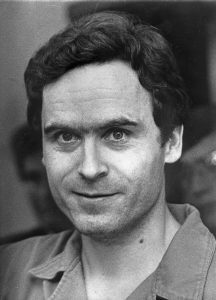
In adulthood, this divide became increasingly pronounced, eventually leading to a series of criminal acts that spanned multiple states during the 1970s. He was later apprehended, tried, and convicted in connection with several cases, ultimately receiving the most severe legal penalty available at the time. His life and actions continue to be examined as a reminder that outward normalcy can sometimes mask deeply serious issues, raising ongoing questions about human behavior, responsibility, and prevention.