Olivia de Havilland’s story begins far from Hollywood. Born in Tokyo in 1916 to British parents and raised in California, she showed early signs of star power. As a teenager, her natural charm and determination hinted at the remarkable career ahead. She would soon become one of the most respected and influential actresses of Hollywood’s Golden Age, known not just for beauty but for intelligence, strength, and courage.
Her early films with Errol Flynn, including Captain Blood and The Adventures of Robin Hood, made them one of cinema’s most beloved on-screen pairs. Their chemistry captivated audiences, but Olivia refused to remain just a romantic co-star. She wanted deeper, more meaningful roles—and she proved it.
In 1939, she delivered a defining performance as Melanie Hamilton in Gone with the Wind. Her gentle yet powerful portrayal earned an Academy Award nomination and demonstrated her ability to stand out among Hollywood giants. Throughout the 1940s, she reached new artistic heights, winning two Oscars for To Each His Own and The Heiress, showcasing emotional depth and authenticity.
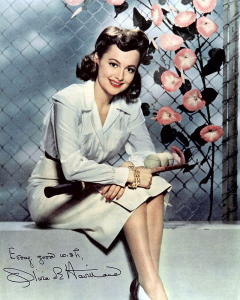
Beyond acting, Olivia reshaped Hollywood itself. In 1943, she sued Warner Bros. over restrictive contracts and won, creating the famous “De Havilland Law,” which freed actors from unfair studio control and changed the industry forever.
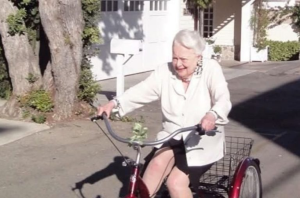
Later, she chose a quieter life in Paris, stepping away from fame while maintaining grace and dignity. She lived to 104, passing in 2020, leaving behind not just unforgettable performances but a legacy of courage, independence, and lasting influence on generations of actors and filmmakers worldwide.