She grew up inside a storm she never asked for — a childhood marked by instability, pressure, and a spotlight far too bright for someone so young. Long before she became a Hollywood legend, she was a little girl pushed past her limits, controlled, criticized, and given pills just to keep performing. Behind the sequins and studio lights was a child fighting exhaustion and insecurity in a system that valued profit over protection.
Born in Minnesota, she stepped onstage before age three. Her home life was chaotic: her parents’ troubled marriage, constant moves, and rumors surrounding her father created an atmosphere of fear and confusion. By 1926, the family relocated to California, but the turmoil followed. She performed in nightclubs as a child, guided by a domineering mother who controlled every part of her life. Biographers later revealed she was given pills to stay awake and others to sleep — a cycle that haunted her adulthood.
MGM signed her in 1935, and fame soon followed. But even as her star rose, she faced harsh criticism from studio executives, strict diets, and nonstop work. Pills helped her endure exhausting schedules. Her breakthrough in The Wizard of Oz made her an icon, yet behind the scenes she battled grief, pressure, and growing dependency.
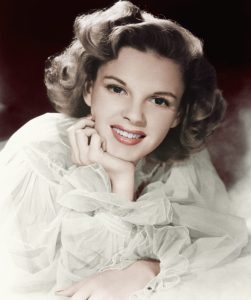
Through acclaimed films like Meet Me in St. Louis and A Star Is Born, she shined — even as personal struggles deepened. By her early 30s, she had lived multiple lifetimes.
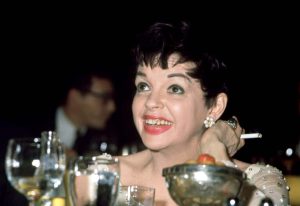
On June 22, 1969, Judy Garland died at 47 from an accidental overdose after years of dependency. Brilliant, wounded, and unforgettable, she remains a timeless voice whose light endures far beyond the rainbow.